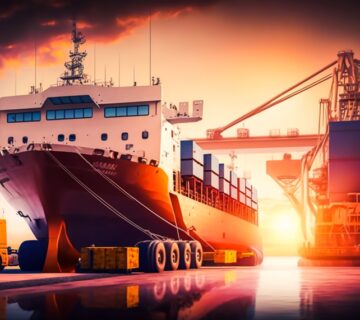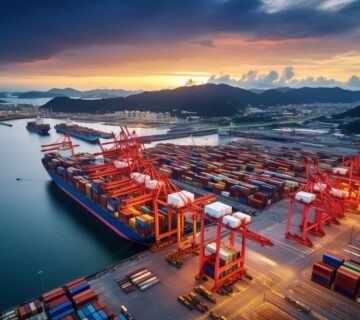

Maritime shipping is the backbone of international trade, playing a crucial role in the global economy. It is estimated that around 90% of world trade is carried by sea, highlighting the indispensable nature of this mode of transport. The significance of maritime shipping lies not only in its ability to move vast quantities of goods efficiently but also in its impact on economic growth, employment, and connectivity.
Economic Growth: Maritime shipping facilitates international trade by providing a cost-effective and reliable means of transporting goods across the globe. This ability to move products and raw materials efficiently supports industries and economies, driving growth and development. Countries with access to well-established maritime routes can participate more actively in global trade, boosting their economic prospects.
Employment: The shipping industry generates millions of jobs worldwide, from shipbuilding and maintenance to port operations and logistics services. These jobs are crucial for the economic stability of many regions, especially those with significant port activities. The sector’s employment opportunities span a wide range of skills and expertise, contributing to both direct and indirect job creation.
Connectivity: Maritime shipping enhances global connectivity by linking producers and consumers in different parts of the world. This interconnectedness fosters economic relationships and promotes cultural exchange. Ports serve as vital hubs in this network, facilitating the smooth movement of goods and connecting local economies to the global market.