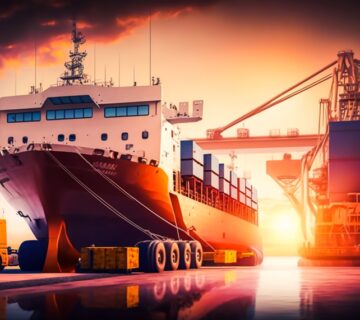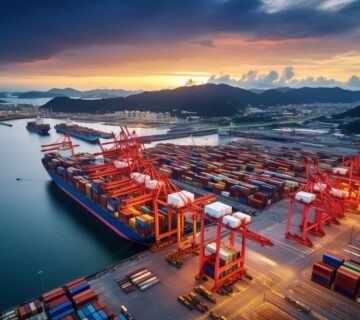
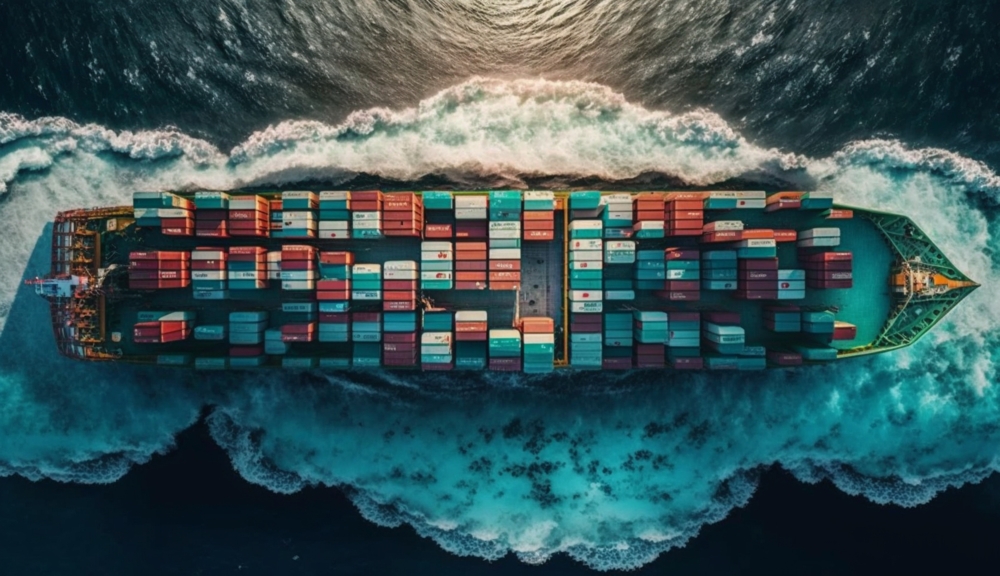
Ports are the lifeblood of maritime shipping, serving as critical gateways for the flow of goods between sea and land. They play a central role in facilitating international trade, supporting economic activities, and driving regional development.
Trade Facilitation: Ports are essential nodes in the global supply chain, enabling the efficient transfer of goods between ships and other modes of transport, such as trucks and trains. Modern ports are equipped with advanced infrastructure and technologies to handle large volumes of cargo quickly and efficiently. This capability reduces turnaround times, minimizes delays, and lowers the cost of trade.
Economic Hubs: Ports often act as economic hubs, attracting a wide range of businesses and industries to their vicinity. The presence of a major port can stimulate local economies by creating jobs, generating revenue, and encouraging investment. Industries such as logistics, warehousing, manufacturing, and services benefit from proximity to ports, enhancing their operations and growth prospects.
Regional Development: The development of port infrastructure can have significant positive impacts on regional development. Improved port facilities enhance a region’s accessibility and connectivity, making it more attractive for business activities. This, in turn, can lead to increased economic diversification, higher standards of living, and greater economic resilience.
In conclusion, maritime shipping and ports are integral to the functioning of the global economy. They support international trade, facilitate the efficient movement of goods, and contribute to economic growth and development. Understanding the importance of these elements helps appreciate their impact on our daily lives and the overall prosperity of nations.